
What's your
hair porosity?
Answer 8 quick questions and find out whether you have low, medium, or high porosity hair, then get a routine and product picks chosen across every brand, not just one.
A hair porosity test tells you whether your hair absorbs and holds moisture easily, low, medium, or high, so you can pick products that actually work.
Loading the test...
As an Amazon Associate this site earns from qualifying purchases. Picks are chosen on fit, not commission.
✓ Do this
✕ Avoid this
Recommended for your hair
Product types that suit your porosity, so you can grab whichever brand you already trust.
Porosity is how well your hair takes in and holds moisture
Your cuticle, the outer layer of each strand, can lie flat and tight or sit raised and open. How open it is decides which products and techniques will actually work for you.
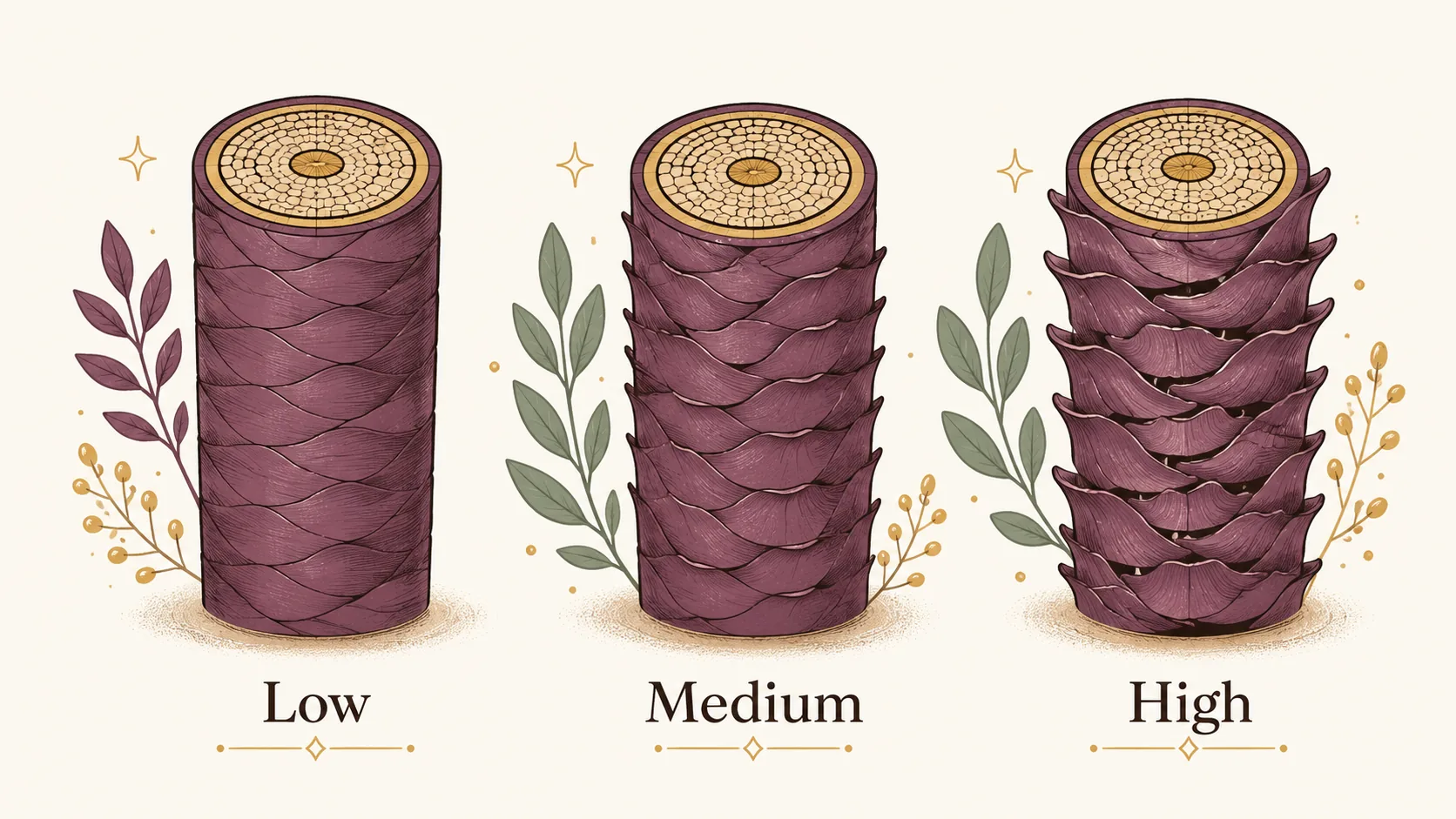
Low porosity
A tight cuticle that resists moisture getting in, but holds it well once it does.
- Products sit on top and feel greasy
- Takes a long time to air-dry
- Water beads up on the surface
Medium porosity
The balanced sweet spot that absorbs and retains moisture with little effort.
- Holds styles well
- Dries in a normal amount of time
- Takes color evenly
High porosity
A raised cuticle that soaks up moisture fast, and loses it just as fast.
- Dries very quickly
- Prone to frizz and dryness
- Often from color, bleach, or heat
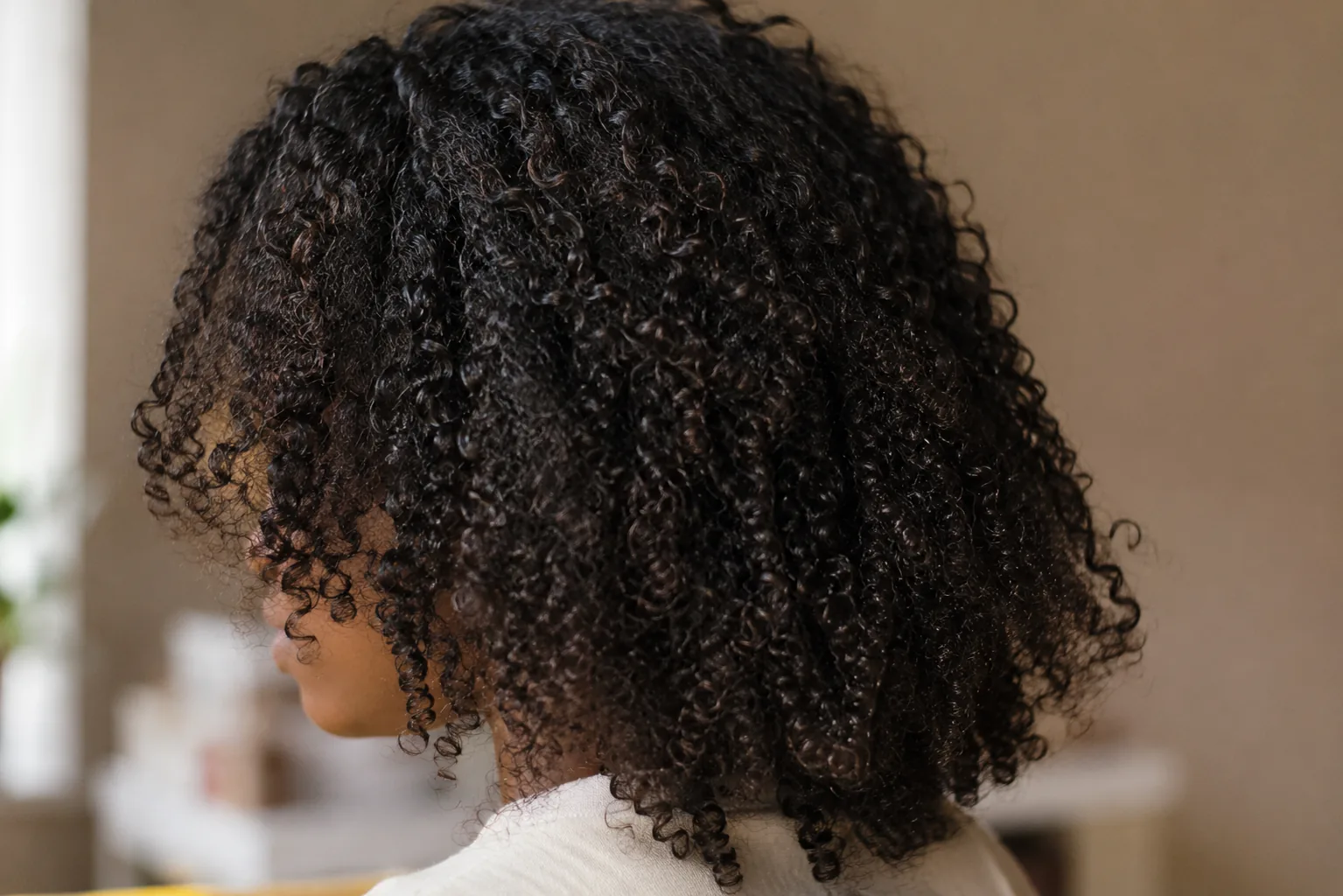
Porosity matters most for curly, coily, and natural hair
Tighter curl patterns make it harder for the scalp's natural oils to travel down the strand, so knowing your porosity is the fastest way to stop wasting money on products that sit on top or wash straight out.
Every recommendation here is chosen to fit your porosity, picked with curly and coily hair in mind.
Three at-home tests to confirm your result
The float test
Drop a few clean, dry strands into a glass of room-temperature water. Floats means low. Hovers in the middle means medium. Sinks means high.
The spray test
Mist a small dry section with water. If it beads and rolls off, you lean low. If it soaks in instantly, you lean high.
The slide test
Slide your fingers up a strand toward the root. Smooth means a flat cuticle (low). Bumpy or rough means a raised one (high).
Want the full walkthrough with photos? Read the complete water (float) test guide.
Guides for every porosity question
Once you know your result, these walk you through exactly what to do next.
Hair porosity questions, answered
Can my hair porosity change over time?
Yes. Porosity is partly genetic, but heat styling, coloring, bleaching, and chemical treatments all raise the cuticle and push hair toward high porosity. That is why retesting every few months, especially after a color change, is worth doing.
Is the quiz as accurate as the float test?
The quiz reads the same signals stylists use: drying time, product absorption, frizz, and your styling history. For the most confidence, take the quiz and confirm with the float test above. They should agree.
How do I know if my hair is high or low porosity?
The fastest way is this quiz. To check your hair porosity yourself, watch how your hair behaves: if water beads on top and products sit on the surface, you likely lean low porosity, and if your hair soaks up water and dries fast, you likely lean high. The float test and the quiz both answer "what is my hair porosity" in about a minute.
Can different parts of my hair have different porosity?
Often, yes. Ends are usually older and more weathered than roots, so they can read higher porosity. If your ends are colored or heat-damaged, treat them as higher porosity than your roots.
What if I am transitioning, or my roots and ends feel different?
Treat your hair as two zones. Newer growth near the roots is usually lower porosity, while older, color-treated, or relaxed ends read higher. Use lighter, water-based products at the roots, and save the richer creams, proteins, and sealing oils for your ends. When in doubt, follow your ends, since they show damage first and need the most help.
What is the most common hair porosity?
Medium (normal) porosity is the most common and the easiest to care for. That said, plenty of people, especially with curly, coily, or color-treated hair, lean low or high, which is exactly why testing your own is worth the 60 seconds.
Does porosity matter for fine, wavy, or straight hair?
Yes. Porosity applies to every hair type, not just curly and coily. Fine and wavy hair often leans low or medium porosity and can be weighed down easily, so it usually does best with lighter, water-based products and only occasional protein. The same test and the same three results apply to you.
Can low porosity hair still be dry?
Yes. Low porosity hair resists moisture getting in, so it can feel dry even when you use plenty of product, because the product sits on top instead of absorbing. Gentle heat and lightweight, water-based products help moisture actually get in.
Is high or low porosity better?
Neither is better. Medium porosity is the easiest to manage, but low and high porosity hair can both be healthy. What matters is matching your routine to your cuticle instead of fighting it.
Do I need different products for low and high porosity?
Yes. Low porosity does best with lightweight, water-based products and humectants, while high porosity needs protein, richer creams, and sealing oils. Using the wrong type is the usual reason products do not seem to work.
Do you store my answers?
No. The quiz runs entirely in your browser. Nothing is sent anywhere, and there is no account or email required to see your result.
Stop buying products that fight your hair
Sixty seconds now saves months of buying products that sit on top, weigh you down, or wash straight out.
Take the free test